
Sexual Harassment

- Description
- Curriculum
- Reviews
- Grade
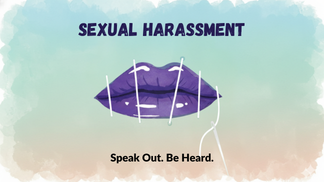
Course Overview
This course helps learners understand what sexual harassment is, how it appears in workplace settings, and how to respond safely and appropriately.
Sexual harassment is any unwanted behaviour of a sexual nature that makes a person feel uncomfortable, intimidated or unsafe. It can happen to anyone, regardless of role, gender or background, and it is not limited to physical contact. Comments, messages, jokes, gestures or misuse of authority can all create a hostile working environment.
The course explains the legal protections under UK law, the responsibilities of employers and employees, and the importance of speaking up early. Learners will also understand how harassment affects individuals, team morale and organisational culture.
The programme provides practical guidance on recognising harassment, reporting concerns, supporting colleagues and responding as a bystander. The aim is to help create workplaces where respect, dignity and professionalism are expected and maintained.
Course Sessions
-
Understanding Sexual Harassment and the Law
-
Impact on Individuals and Organisations
-
Types of Harassment: Verbal, Physical, Visual and Online
-
Reporting, Investigation and Support Processes
-
The Role of Managers and Workplace Responsibilities
-
Bystander Action and Creating a Respectful Culture
Learning Outcomes
By the end of this course, learners will be able to:
-
Recognise behaviours that constitute sexual harassment
-
Understand legal protections and workplace responsibilities
-
Respond safely if they experience or witness harassment
-
Follow appropriate reporting procedures
-
Support colleagues appropriately
-
Contribute to a respectful and professional working environment
Who This Course Is For
This course is suitable for:
-
Apprentices and adult learners
-
Employees and workplace teams
-
Supervisors and managers
-
Training providers and mentors
No previous training is required.
Why This Course Matters
Awareness helps to:
-
protect employee wellbeing
-
prevent workplace conflict
-
support safe reporting
-
strengthen trust and professionalism
-
create respectful working environments
Everyone has the right to work in a safe and respectful workplace.